
Posts by :
- Check the mailbox every day if possible. Have a designated area in your home to put the mail. I put mine on a built-in “bill pay” off my kitchen.
- Before you do anything else, immediately go through it and toss out obvious junk mail. These are the ones you know are junk without even opening them.
- Next, the mail should be sorted. This can be done then or later in the day when you have more time. Just try to make it a habit of taking care of this each day, so that it does not pile up and become overwhelming. Sorting involves placing the mail in stacks according to the type of mail. For example, if you have several members in your household, there would be a stack for each member. It’s a good idea to have a designated bin or spot to place this mail in.
- Next, it’s time to open your mail. Some of your mail will be obvious as to its contents. No matter what, it’s important to open each piece of mail. Even though you know it’s a bank statement and you look at your statements online, it’s best to at least open it and glance at it to make sure your assumptions or correct. This way if there are any obvious mistakes, or someone has debited your account unexpectedly, you can take care of this as soon as possible. The same goes for all other mail. You may look at it and think it’s a bill you cannot possibly pay until later, when there could be a big credit on your bill that leaves you owing a much smaller balance, so that you can pay the bill sooner, rather than later. If it is a bill, write on the outside of the envelope when the bill is due and the amount or payment you plan to make.
- Now that you have opened all your mail, it’s time to re-organize it again into categories. You should have designated places to file or place this mail. I like to organize it first, and then go put these in their designated places. Everyone should decide how to categorize their mail based on their own household needs. My categories are as follows: bills, tax information, file, to-do (phone calls, letters, reconciling bank statements; etc.), trash; etc. These do not have to be actual labels; after making this a habit you’ll have these categories in your head.
- Finally it’s time to put all the mail away – file, put away bills to pay later, shred or discard mail that is trash, and most importantly, place your mail that requires you to do something in an obvious place so you won’t forget – I have a “To-Do” folder for this. It’s important to shred anything that has account numbers or any other information that can be stolen. Note: if you file or shred the mail each day, these chores will not become overwhelming.
Note: I like to go ahead and pay my bills at this time as well, but I do online bill-pay and either schedule it right away or at a later date, but “paying bills” is a subject for another article. Additionally you would need to set aside time to make those phone calls, write a letter or reconcile your bank statement (also a subject for another time). - 1 slice whole wheat bread, crust removed
- 1 Tbsp. organic peanut butter
- 1½ tsp. sugar-free jam or jelly
- 2 tsp. crushed peanuts or coconut
- With a rolling pin or glass, completely flatten bread.
- Evenly spread peanut butter and 1 teaspoon fruit spread on flattened bread and then roll up to make a pinwheel.
- Spread remaining ½ teaspoon of fruit spread over outside of the pinwheel.
- Dip pinwheels into peanuts or coconut.
- Cut into bite-sized pieces.
- 2 Tbsp. all purpose flour
- 6 Tbsp. olive oil
- 2 - ½ tsp. cayenne pepper
- ½ tsp. black pepper
- 1 tsp. paprika
- ½ tsp. salt
- 1 tsp. kosher salt
- 1 Tbsp. chopped cilantro
- 4 flour or corn tortillas
- 1 cup fresh cole slaw mix
- 3 Tbsp. cole slaw dressing
- 4 small wild salmon fillets (approx. 2" x 2")
- 2 avocados, seeded and peeled
- ½ lime
- ¼ cup diced onion
- 1 Roma tomato (diced)
- 8 Tbsp. salsa (store-bought or fresh)
- Preheat 4 tablespoons of olive oil in a skillet on medium high heat.
- In a shallow bowl, combine, flour, ½ tsp cayenne pepper, black pepper, paprika and salt.
- Using remaining 2 tablespoons of olive oil, coat each salmon fillet with the oil.
- Dip all fillets into flour until thoroughly coated and place each into skillet containing hot oil.
- Cook each side until golden brown (turning once).
- Remove salmon fillets from skillet and place on plate with paper towel, allowing excess oil to drain.
- Cut each fillet into pieces (to make taco filling).
- Make cole slaw by combining cole slaw mix and cole slaw dressing.
- Make guacamole by coating avocados with lime juice from ½ of lime. Let stand 5 minutes.
- Add to avocados ½ teaspoon of cayenne pepper, onion, cilantro, and kosher salt. Use potato masher to mix. Fold in tomatoes.
- To assemble tacos, place, 1 salmon fillet (chopped) into tortilla. Top with cole slaw mixture, guacamole, and 2 Tbsp. of salsa.
- 1 lb. ground turkey
- ½ lg. onion - diced
- 1 14½ oz. can diced tomatoes
- 2 8 oz. cans tomato sauce
- 1 pkg. chili seasoning mix (I prefer McCormick)
- 1 16 oz. can pinto or kidney beans (optional)
- 2 cups water
- Brown turkey in large skillet on medium high heat. Drain any excess fat.
- Put meat into a medium size pot.
- Add all remaining ingredients to pot and cook on Medium heat for about 15 minutes (making sure onions get cooked).
- Reduce to low heat and allow chili to simmer for at least another 30 minutes, stirring occasionally.
- When you get out of bed in the mornings, make the bed right then. If you have a partner you sleep with, make it a rule that the last one out of bed has to make it. This is easy enough for anyone to do, and you will already have one chore completed before your day barely begins.
- Make it a habit to never go to bed with dishes in the sink. If you know this is the rule in your house, then you will learn to get in the kitchen earlier, rather than later, to get it cleaned up. Personally, I like to get it all done as soon as we finish eating dinner. This way I can then relax for the evening. My husband and I have made it a habit to do this chore together, no matter who cooks.
- Before beginning cooking any meal, unload clean dishes from the dishwasher. This way, as you cook, you can load dirty dishes into the dishwasher, making clean up much easier later.
- After every meal, make a habit of wiping and disinfecting the counters, stove, and microwave (if necessary). By cleaning them after each meal, the kitchen is always ready for the next meal and cleanup becomes a breeze on chore days.
- Each time you fold laundry, follow through with this chore by putting them away right then, rather than later. If you let them pile up, then it becomes more of a chore. If you put each load away immediately, then it just becomes a habit and means less work to do later. Any clothes that require hanging should go on hangers as you are folding, so then it is just a simple matter of taking them to the proper rooms. It is also a good idea to have a rod in your laundry room to hang things that might wrinkle, as you pull them out of the dryer.
- This one is mostly for the ladies. After getting dressed and putting on makeup, styling your hair, etc., make it a habit to put everything away and wipe down your bathroom counter, sink, and mirror. This really takes about 5 minutes and will keep your bathroom looking much cleaner and more organized.
- Before going to the grocery store, make a habit of throwing out any old leftovers left in the refrigerator. If you have time, you can also do a quick wipe down of any spills on the shelves. This makes it easier to stock your refrigerator when you return from the grocery store. Also, it keeps your refrigerator much cleaner in between thorough cleanings; and prevents odors from getting into your food.
- When you arrive home from an outing, make a habit of gathering any trash from the car. If your hands are full, return to your car after you free your hands and take care of this chore. It only takes a few minutes and prevents trash from piling up in your vehicle.
- When changing clothes, make it a habit to take any dirty laundry to the laundry room right away. Make sure your family knows what is expected of them, as well. This makes laundry day easier if all the laundry is already there, and you don’t have to go around the house looking for dirty clothes on the floor.
- Before going to bed each night, allow 5-15 minutes to tidy up. Look around and pick up anything out-of-place, such as shoes, toys, coats; etc. Straighten up decorative pillows on the couch. Put the video games and movies back where they belong. Stack any unopened mail in a place where you can take care of it later. Do any last-minute dishes and wiping of any dirty surfaces. By doing this it won’t become so overwhelming each time and your day will be off to a great start, when you don’t have to wake up and face the clutter that was left the night before. It is also a good idea to get your kids in the habit of tidying up before they go to bed, as well.
- Before getting started, if you wear cosmetics, and you do not already have one, I want you to purchase a small cosmetic bag that can fit inside your purse. These can usually be bought at a discount store or dollar store for under $5.00.
- Begin by emptying out the entire contents of your purse.
- Pick out all the receipts, tissue, gum wrappers, loose change; etc.
- Throw away everything that is trash. File away receipts. Put change in your change jar or piggy bank. Continue doing this until you have put away or thrown away all that you can.
- Look at what is left and go through each item and decide how often you need it when you are away from home. Put the items you use regularly into one pile, and then the items you rarely or never use into another. At this point, the pile for the items you rarely or never use is probably half the weight of your purse.
- Now this is the tough part – I want you to put away the items you rarely or never use (some place other than your purse). You can do it! Remember,this is not a once in a lifetime chance; you can always come back later and add an item or two back to your purse, if you find yourself missing that item when you’re away from home.
- Now, out of the stuff that is left, how much of it is cosmetics? Chances are a bunch of it is, because the women that do not have a lot of cosmetics in their purse have already stopped reading this, because they don’t have a problem with too much clutter in their purse. Ask yourself these questions. How often do I apply makeup when I’m away from home? When I do apply makeup, what makeup do I use? If you are like me, you really do not take the time to apply makeup when you are away from home.. Most women only use lipstick or lip gloss; and they may put on a little powder or foundation. However, every woman is different, so you really need to think about what it is that you really need. Depending on where you are going, some days you may need more than others; but I want you to prepare your purse for your average day.
- Store away those cosmetic items you do not need when you are away from home. Put the rest of the items you will need into your cosmetic bag. If you still have plenty of room, you may add back one or two items from those items you were reluctant to give up. Feel better now?
- Now place your cosmetic bag and the remaining non-cosmetic items (hairbrush, car keys, etc.) into your purse.
- What about the wallet or coin purse? I want you to use your new skills to de-clutter this as well. Follow steps 2-6 (substituting your wallet for purse) until you are down to your money, driver’s license or ID, one or two credit cards, ATM card, insurance card, etc. Most people carry credit cards which they may use once a year. This is dangerous and unnecessary. Put all these types of cards away and only carry them when you know you may need or use them. Now place all the necessary items back in your wallet. Put your wallet into your purse.
- Voila! You are done.
- To keep your purse nice and clean, go through it each day before you head out the door and store away or throw away anything that is not necessary for that day (business cards, receipts, etc.). This should take 1-2 minutes. Do the same thing for your wallet or coin purse.
- Think about what you may need for that day or outing. Unload any unnecessary items before leaving home. For instance, if you’re just going to
the grocery store, chances are you won’t be applying any makeup. You may want to leave your cosmetic bag at home and just carry your lipstick
or lip gloss. - After de-cluttering or changing out your purse, do a quick check to make sure you are not forgetting anything – wallet, driver’s license, cell
phone, hair brush, important papers; etc. - If you are going somewhere that you will need to kill some time, you may want to throw in a crossword puzzle or your favorite paperback
book. - Type II Diabetes (can control or prevent)
- High Blood Pressure (can control or prevent)
- Stroke (can prevent)
- Cancer (can prevent or improve symptoms)
- Osteoporosis (can prevent or improve symptoms)
- Parkinson’s Disease (can improve symptoms)
- Multiple Sclerosis (can improve symptoms)
- Rheumatoid Arthritis (can improve symptoms)
- Fibromyalgia (can improve symptoms)
- Depression (can improve symptoms)
- When you exercise, it “starts a chain reaction to repair the damage by causing your brain to generate new neurons, especially in the hippocampus-the area in charge of learning and memory. These denser neural connections lead to a measurable increase in brainpower” (Shape Magazine, 2012).
- As we age, we lose neurons, which essentially means our brain ages, as we do. With exercise, you can not only stop the loss of neurons, but “build new neural connections, making your brain operate like one much younger” (Shape Magazine, 2012).
- During moderate to intense exercise, your brain releases what are known as endorphins. Endorphins are endogenous opioid polypeptides produced by the pituitary gland and hypothalamus. Once these endorphins are produced, they are distributed throughout the body’s central nervous system, where they interact with the opiate receptors, decreasing the body’s perception of pain and causing a state of euphoria. By the way, these same endorphins are released during a sexual orgasmic episode. This explains why after an intense workout, people report feeling so good. It is not only because they are proud of themselves for working out, but they physically have an increased sense of well-being. This is also why it’s important for people suffering from depression to make sure they exercise on a regular basis.
- Exercise decreases your risk for and/or reduces the symptoms of hundreds of diseases.
- Exercise improves stamina by using your body’s energy more efficiently.
- Exercise helps control or reduces body weight by burning more calories during exercise and while at rest.
- Exercise helps to build and maintain muscle, joints, and bones by increasing muscle mass, making our joints more flexible, and increasing bone density…especially important for prevention or slowing of progression of osteoporosis.
- Exercise helps improve mental clarity and enhances mood by repairing the brain, reducing or reversing the aging process, and releasing pain reducing, mood altering endorphins.
Soul Cleansing Saturday: My Struggle with Sugar and Diet Soda Addiction
February 23rd, 2013 I have been struggling with sugar addiction, as well as being addicted to diet sodas, for years. I thought instead of trying to tell you all how to beat these addictions, I would do a little soul cleansing and first admit it; then, try to get help getting it under control.
History
Growing up, my mother was not one to really say “no” to us when it came to food or treats. I was a skinny child so I pretty much could eat whatever I wanted. My Mom always cooked typical southern comfort foods and I loved them. She always had lots of baked treats to eat, as well. In addition to them, I usually always chose junk food over healthy food when it was available. When I had money in my pocket, I would buy sodas and candy…almost always. Additionally, I spent many summers with my aunt and grandmother. They always had candy and baked treats around, as well. If they did not, they were more than happy to take me to the store to buy some, or whip up a fresh-baked pie or cake. Yes, they spoiled me. I did not see any real weight gain until around the age of 30; and then it was probably only 10-15 pounds. As I got older, I finally realized I could no longer eat whatever I wanted without consequences. This began my long history of weight gain and yo-yo dieting. I would gain 10-20 pounds…then lose some or all of it. Feeling more comfortable, I would once again slip back into old habits. Each new bout of weight gain usually was a little more than the last.
Sometime in the early 90’s I got the idea that if I switched to diet sodas it would be so much healthier for me. At first it was hard to make the switch but I kept drinking them thinking they were “free” indulgences. I soon grew accustomed to them and even preferred them over sugar sodas. For years I lived on diet sodas, rarely even drinking a glass of water.
Today
Being 49, and hopefully somewhat wiser, I have adopted many new healthier eating habits. I also try to exercise and drink a lot more water than before. However, I must confess – I cannot break my addiction to sweets and diet sodas. I don’t just sit around eating cake and ice cream all the time. My biggest problem is that when I have a sweet, it starts the craving in motion. I can’t just stop with one piece of candy. I usually have to have 10-15 pieces before I am satisfied. I have tried to indulge my sweet tooth by swapping fruit for sugary treats, but what often happens is that I will eat the fruit and then still go back and eat the other treat, as well. I KNOW that’s the pattern of addiction.
As for the diet sodas, I drink mostly water, green tea, and coffee, but I still have to get my diet sodas in there.
Problem
I am determined to live much healthier these days and want to totally eliminate diet or any kind of soda from my life. I also want to get to a point where a sugar treat is an occasional indulgence in moderation. The problem is that I have done all kinds of research and I just do not know how to break out of this vicious cycle. I know I need to eliminate the obvious temptations in my house, but there is so much sugar hidden in everyday foods that we do not even think about. I am asking you all for any advice or help you can offer. What has worked for you? What resources did you use? PLEASE HELP!
Next Health Tip: Healthier Lifestyle Journey-Beginning the Challenge
10 Tips to Make House Cleaning Easier
February 17th, 2013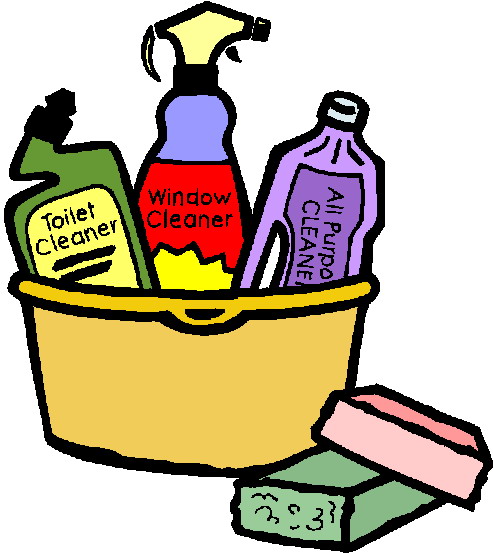 House cleaning is a chore that I absolutely hate. I live in a large two-story house with four bedrooms, a game room, formal dining room, formal living room, family room, breakfast area, three bathrooms, and an office (which mostly stays cluttered). Having all this space, I am sure you can see why I hate house cleaning ( Just a little secret, between you and me, I really did not care for house work when I had a lot less space, neither). With all these rooms to keep clean, I have had to find easier ways to keep my house clean. Some things I have figured out on my own and others I have found by researching. Below are some tips which have worked for me.
1. Gather all your cleaning supplies and keep them in a container that can be carried from room to room. You will need a feather duster, furniture polish, glass cleaner, bathroom and/or kitchen cleaner, stainless steel cleaner (if applicable), toilet bowl cleaner, several dusting rags, and several cloths to clean the counters, mirrors and kitchen and bathroom fixtures.
2. Think of your house as wet rooms and dry rooms. Obviously the wet rooms are any rooms with access to water. If you have help, one person may take the wet rooms, while the other takes the dry rooms. If you are working alone, do the wet rooms first, because these are always the most involved and will make your work go much smoother, once these rooms are finished.
3. When possible, schedule one day of cleaning each week. Do this by looking at your calendar or to-do list and actually schedule it in with all your other appointments. Obviously, if you work Monday through Friday, Saturday would be a good day. If you do not work, but have other appointments, then pick a day during the week and put it on your calendar. This way you can relax with your family and friends on the weekends. The point is that if keeping a clean home is important to you, it has to become a priority in your life or it won’t get done.
4. Do not try to do thorough cleaning in every room each week. This is almost impossible to keep up with and will almost always overwhelm you. Instead, alternate your weeks between thorough cleaning and light cleaning. Light cleaning is walking into a room and picking up clutter, running a feather duster over everything, cleaning any obvious dirty areas, such as smudged glass, and sweeping/mopping or vacuuming. Thorough cleaning is just as the term implies. It means to thoroughly clean that room, no matter what it involves. This involves wiping down counters and cabinets, cleaning windows, polishing furniture, cleaning ceiling fans/light fixtures; etc. You should also be realistic; if you look at something and it is not dirty then don’t feel you have to thoroughly clean it, just because it’s your week to thoroughly clean. You will waste lots of valuable time if you do this.
5. Divide your rooms up each week. One week certain rooms will get thoroughly cleaned, while other rooms get the light cleaning. You may want to thoroughly clean wet rooms one week and dry rooms the next. Of course in areas where you might have a lot of traffic, such as the bathrooms, you may not have any choice but to thoroughly clean this room each week (after all you would not want your family to have to bathe in a dirty bath tub, right?).
6. When cleaning a room, learn to clean from top to bottom, and then from left to right. I’ve heard many people who are, or once were, professionals say the same thing. This should be done by working from left to right, dusting off curtain rods, blinds, windows, ceiling fans, picture frames; etc., first. Next, again working from left to right, dust furniture or clean counters, cabinets and fixtures. Finally, still working from left to right, sweep/mop or vacuum. By cleaning from top to bottom, all the dirt goes down for you to clean next. By working from left to right, you will learn to only focus on one area at a time, keeping the job from becoming so overwhelming. You will also be less likely to overlook an area.
7. Once a month, choose a project that is not otherwise part of your weekly cleaning. For instance, you might want to thoroughly clean all the base boards one month. The next month, you might clean out the refrigerator and pantry. The following month you might choose 2-3 closets to re-organize. Perhaps you might have more than once a month for these projects; just get them on the schedule.
8. On days when you’re not doing scheduled cleaning, keep laundry and dishes done. Try to keep clutter picked up each day so that your home always looks fairly neat.
9. Choose one day a week to strip the beds and wash sheets. If necessary, these can be divided up into one room at a time until all beds have clean sheets for that week.
10. When your one weekly cleaning day is all done, reward yourself with something special like a dinner out, movie night, or curling up in your favorite chair with a good book.
Cleaning becomes much easier when you have a plan and keep on schedule. Don’t let it overwhelm you or get out of hand. If you have a particularly hectic week and do not get all your cleaning done, don’t beat yourself up – it will still be waiting for you the following week. It is not the end of the world if your house is not spotless. The most important thing is to find a system that works for you and your home. What cleaning tips do you have that work in your house?
Next Cleaning/Organizing Tip: New Year’s Resolutions-Creating Smarter Goals
How to Get Started Couponing
January 19th, 2013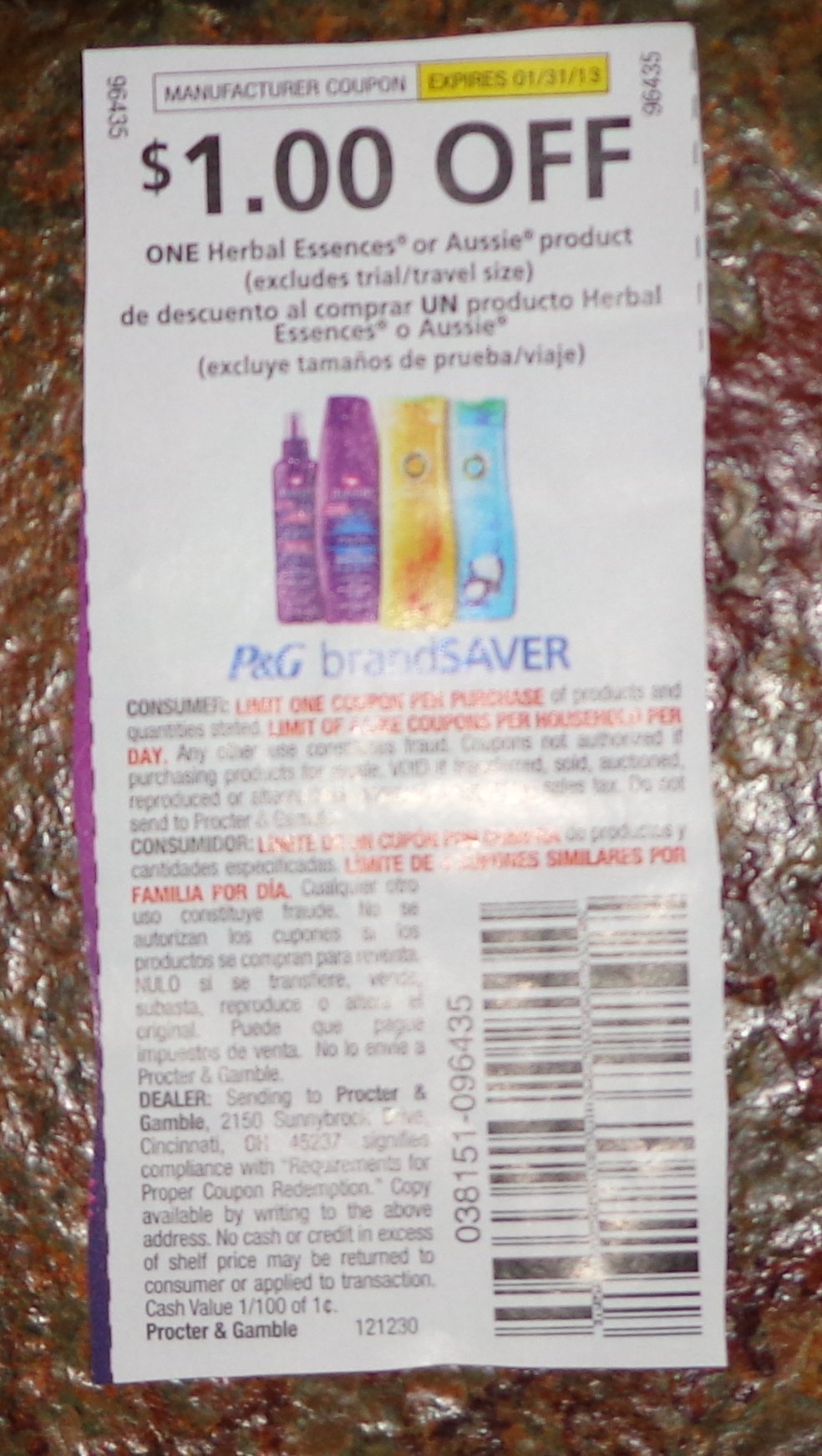 Couponing is a great way to save money and make your dollars go further. In keeping with my goal to clean up the financial clutter in my life, I certainly want to save money where I can. The more saved, the sooner I can eliminate debt and reach goals. This new thinking launched me into the world of couponing, and I love the savings I have received. If you have thought of beginning to coupon, but not sure how to get started, then this article is for you.
Couponing is certainly not for wimps, as I found out when I decided to really get serious about couponing – well, okay, not as serious as those extreme couponers who now have their own reality TV show, but fairly serious. The main thing I found out is that it takes a lot of time, but for me, it was worth the effort. If you have some free time you can carve out of your week, then I recommend at least trying it for a while. It can become addicting very quickly. This being said, I want to share with you some of the key things I learned to start saving money as quickly as possible.
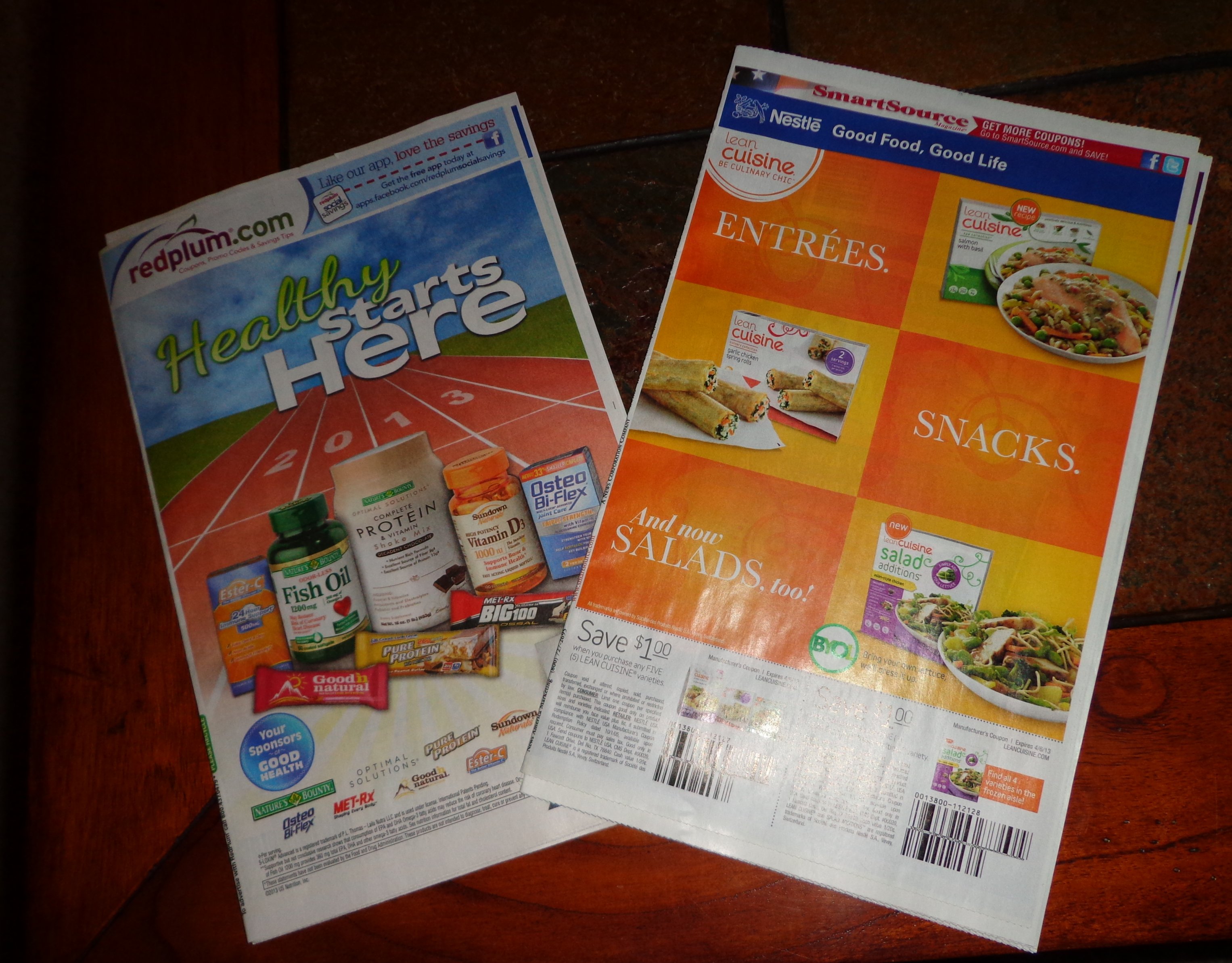
1. Figure out where you are going to get your coupons and plan to be diligent about retrieving these coupons weekly. The best sources I found are the newspaper (especially Sunday’s), online couponing sites (my favorite so far is http://moneysavingmom.com), flyers and value packs sent via the mail, direct coupons from manufacturers (you should ask for these), “All You” magazine, and manufacturers’ Facebook pages and company web sites (often if you “like” them, then you can print coupons.) Of course there are some other sources, such as the ones found on the back of register receipts (known as Catalina coupons) or those found directly on store shelves, but the ones mentioned are my favorites and will get you started. 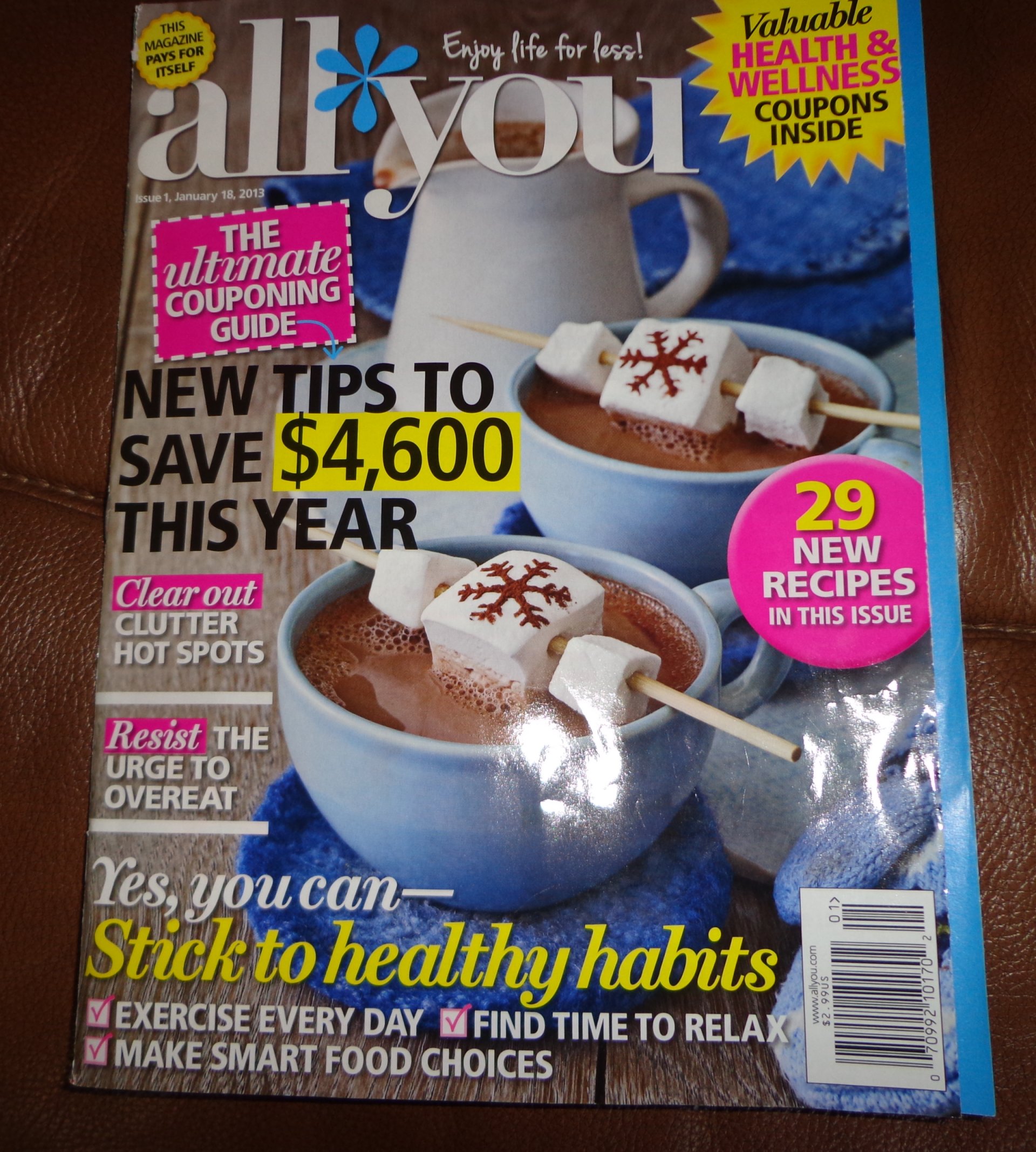
2. Until you decide whether you’re going to stick with the couponing or not, I recommend buying the “All You” magazine and newspapers you’ll need. Your savings will make up for the costs. If you decide you want to continue couponing on a regular basis, then go ahead and subscribe to have these newspapers and magazine delivered. You’ll save more money this way.
3. Make sure you have a high quality color printer. You’ll need it to print the tons of online coupons that are available.
4. For those times when you stock up on a good deal, you’ll need some storage space in your home or garage. I bought some inexpensive storage shelves and placed them in our walk-in closet in a spare bedroom. As your stockpile grows, you can grow your storage space.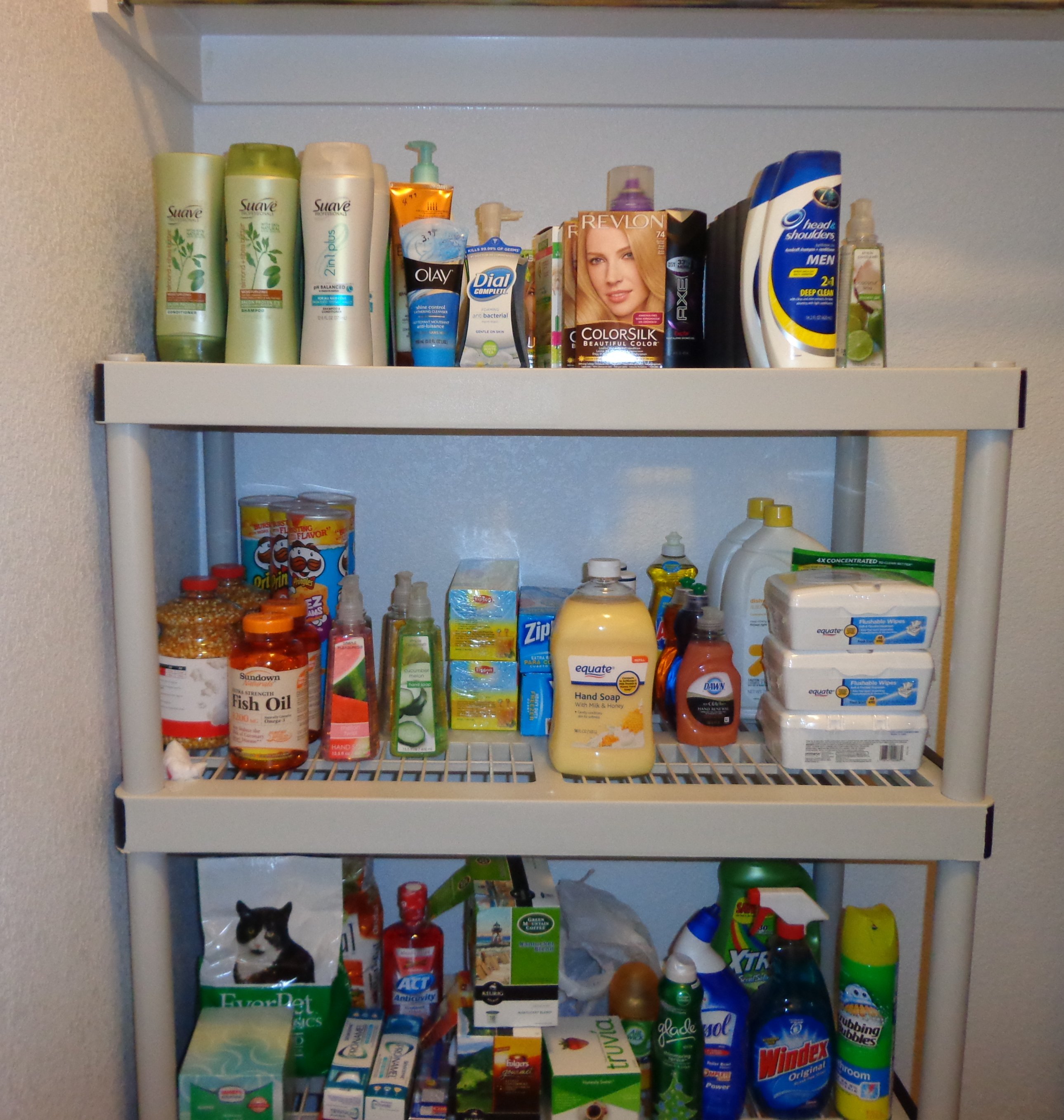
5. You’ll need a way to organize your coupons. I purchased a 3-ring binder and some clear sheets with sleeves to hold the coupons. I found these online.
6. Next you will need to decide how you want to divide your coupons so that they are easy to find. A few of the categories I came up with are: Meat & Dairy, Dry Goods, Frozen Foods, Breads & Cereal, Personal Care, Can Goods, Health Care, and Cleaning & Household. I ended up with about 15 categories. You will need to decide on these categories so they make sense for you, since every household is different.
7. If you plan to stick with the couponing, it’s wise to purchase a paper-cutter. When you have a lot of coupons to clip at one time, like you do when you get them out of the Sunday paper, it will make the process go a lot faster and smoother.
8. The key to couponing is to try to save the most money possible per item. The best way to do this is to combine coupons with store sales. This means you will need to look at the sale papers from the mail, newspapers, or company web sites each week. You will need to watch when the sale runs out and make sure you don’t miss a great opportunity to save money. When you see good deals on sale items, then that’s when you want to check to see if you have coupons. Also, you can hold coupons for everyday items such as toilet paper, and wait for those items to be on sale. The stores will run their sales according to what manufacturer coupons are available, because they know people want to combine sales with coupons. All stores will do it so then it’s up to you to try to find the best price.
9. When you realize a particular item is an extra good deal, then that’s when you’ll want to stock up, if possible. Often you can do this by searching online for a coupon and then making multiple colored copies of the coupons. Obviously you can’t do this for the ones clipped out of magazines or the newspapers.
10. Most importantly, when you’re using coupons, make sure you get the item exactly as the coupon specifies. Watch your sizes, flavors, colors; etc.
11. Be ready to spend a little extra time at the stores. Often the stores will want to match up coupons with each item. After you have a little experience, you’ll learn each store’s procedures. Also, pay careful attention when checking out, making sure you received your discounts.
12. Restaurant and individual store coupons are plentiful. Don’t forget to save these, as well.
13. Many stores, like Walgreens, Target and CVS, give cash back or gift cards for spending or buying certain items. These are great to use on return trips. For example, CVS gives extra bucks rewards. These are spent just like cash. However, you will not get change back, so make sure your purchase is as close as possible to the amount on your extra bucks.
14. In order to take advantage of store sales, most will require you to be a member of their club. Go ahead, it’s worth the savings. Keep these cards in a secure place to use when out shopping.
15. Always take your coupon book with you when shopping. You never know when you might see a clearance item you were not aware of, or something you forgot about. There are so many couponers these days, people are used to seeing couponers with their books in tow.
16. When in line, be respectful of other people. Your checkout may be slower than others, so if you see someone with a small amount, let them go ahead of you. People who do not coupon often get annoyed by people with a lot of coupons. I’ve even turned to the person behind me and let them know I had a lot of coupons and suggested they find another line. They seem very grateful for the suggestion, or they will say they don’t mind waiting. At least you can say you warned them.
17. Last, but not least, have fun with it. Often, it feels like going on a treasure hunt. Even though it is a lot of work, and requires a great deal of time, I feel like I’ve hit the lottery when I get a great bargain.
Couponing is the best way to save money on your everyday expenses. Isn’t that what we all want? Saving money through couponing is a great way to take control of your household finances. What are some of the ways and places you like to use coupons?
Next Financial Tip: My Favorite Eco-Friendly Products
Organizing Mail: Stop the Chaos!
January 8th, 2013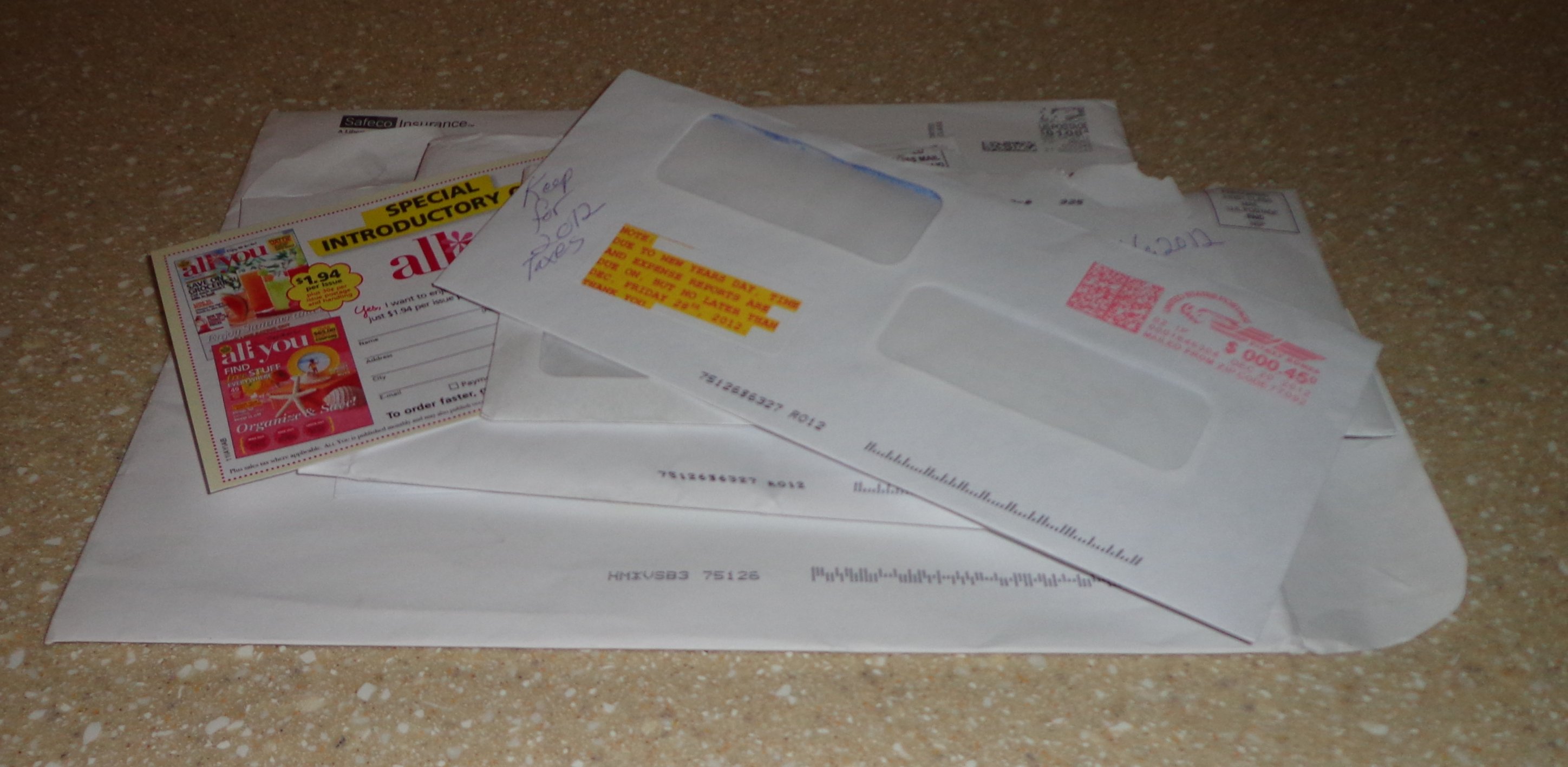 Organizing your mail is an easy way to help de-clutter your home, keep track of important mail, and reduce stress. I’ve talked to many people about the mail and we all agree that it tends to pile up very quickly and become overwhelming. Some people tend to just toss it all aside because they know there are bills they are not ready to deal with, or do not have the money yet to pay them. Or perhaps they think they don’t have the time to sort through all the junk mail. If you are one of these people, how is that working for you?
Through trial and error, I have come up with a system that works well for me, and I hope some of my tips can help you.
Organizing your mail can become a daily habit and an easy chore, while keeping down the clutter in your home and preventing chaos. Now go check that mailbox and get rid of the clutter in your home!
Peanut Butter and Fruit Rolls
November 1st, 2012 November is National Peanut Butter Month. Here’s an easy and fun snack your kids can help with, which gives them protein and fruit, without added sugar.
Next Recipe: Cheesy Spanish Vegetable Stir Fry – With a Chicken Tortilla Soup Recipe for Leftovers
Salmon Tacos
October 27th, 2012 I love tacos but had never tried fish tacos. I decided to make salmon tacos because salmon is one of the healthiest fish you can eat.. After researching recipes, I decided to make up my version. It turned out as a nice mix of salty and sweet flavors, along with the fish flavor.
I hope you enjoy these salmon tacos. There are many ways to make fish tacos. Please share how you might make fish tacos, or perhaps you can provide a different twist to this salmon tacos recipe.
Next Recipe: Peanut Butter and Fruit Rolls
Quick and Easy Turkey Chili
September 30th, 2012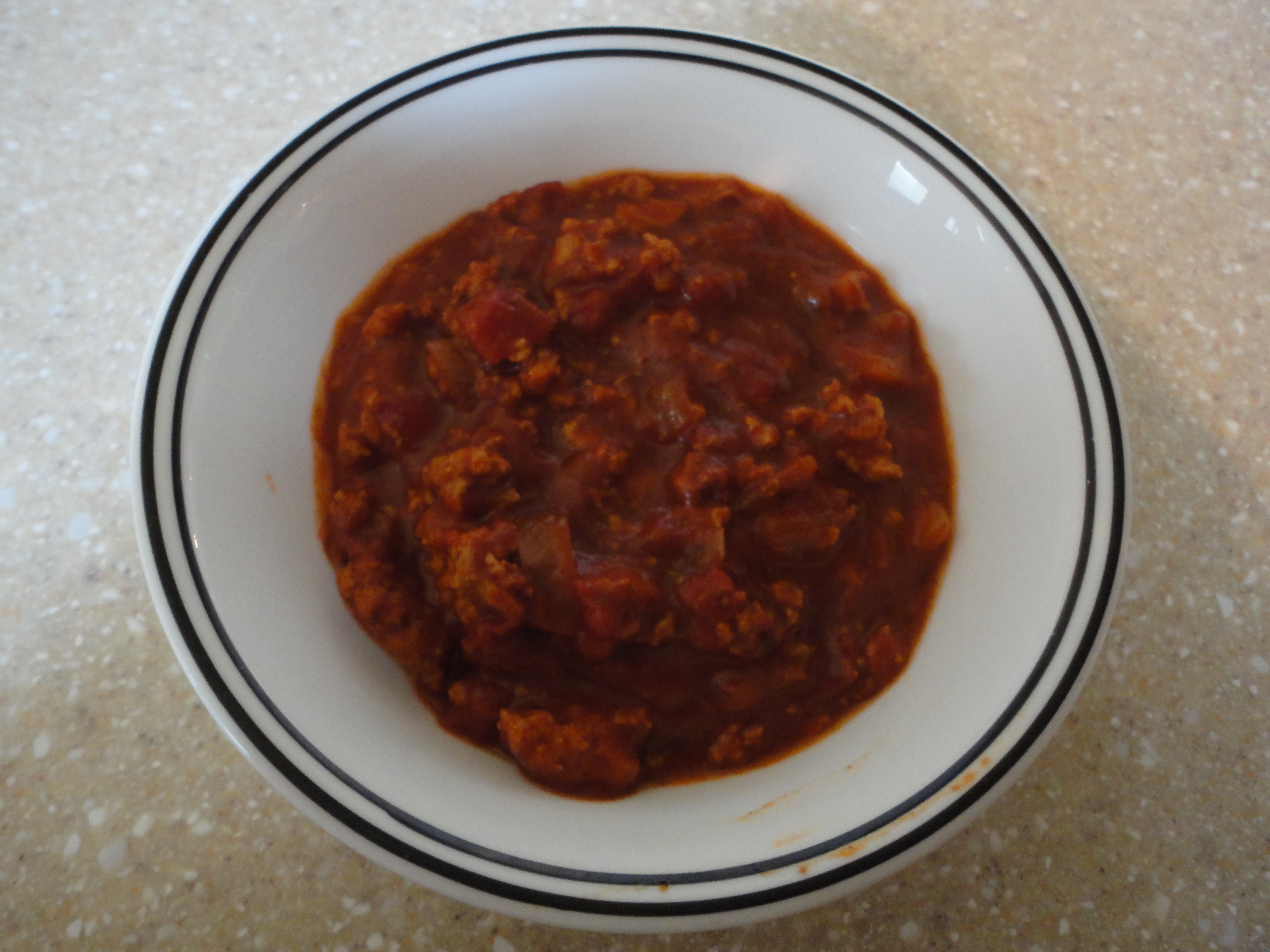
Chili is notorious in the Southwest. With Fall finally here and cooler weather right around the corner, I started craving homemade chili. There are many ways to cook chili in Texas. Many people make an all day production out of preparing, cooking, and simmering their chili. Today, I was in the mood for something quick and easy, but also a bit more on the healthy side. My solution was to use pre-packaged seasoning, and not my own, and to substitute turkey for ground beef or chili meat.
Next Recipe: Crockpot Chicken Fajitas
Creating Good Organization and Cleaning Habits in 21 Days
August 27th, 2012 Organization and cleaning is much easier when we learn to form good habits. Bad habits are easy, right? So how do we reverse or stop bad habits and form new good habits? Experts say that any habit usually takes about 21 days in order for it to become a true habit – without consciously having to make an effort to keep up the habit.
First, we have to recognize an area in our daily lives where there are problems, or room for improvement. Then, we have to decide what should be done to improve the situation. Knowing my life is a prime example of chaos and disorganization, I am willing to make the effort to make small changes toward big improvements in household cleaning and organization efforts. Below is a list of a few ways I can think of to form new good habits – most of which I have already been practicing:
These are just some of the routines I would like to become good habits. What I consider useful habits may not necessarily be the same ones you would like to adopt. So tell me, which organization and cleaning habits would you like to incorporate into your life? Which habits are you already practicing?
Next Cleaning/Organizing Tip: 12 Tips for Decluttering a Small Home
How Much Does Your Purse Weigh?
June 3rd, 2012Is your purse weighing you down? Is it a chore to lug around? I read somewhere that the average woman’s purse weighs 15 pounds. Ladies, that’s ridiculous! When I say, “ridiculous” I am mostly referring to myself. So what can we do about it? We need our stuff…right? Wrong. The average woman carries way more stuff than she is actually going to need.
In recent years I have become a bit of a purse nut. I used to buy one purse for winter and one for summer; and they had to be your basic black, gray, brown, white, or tan so they would match everything I wore. Well, now I like having my purses come in different styles and colors to go with different outfits. Yes, I even have orange, pink, and turquoise. I’ve stepped into the 21st century. This is all well and good until I am ready to head out the door to go somewhere, and I realize my purse does not match my outfit. Being the new “fashionista” I am (chuckling to myself), I simply cannot be seen out in public wearing my cute outfit and carrying a purse that does not match. This being the case, there was only one thing I could do. I had to learn to carry less stuff so that purse changes could be done quickly and efficiently.
Before going any further, stop, and go weigh your purse. Hopefully it does not weigh near the 15 pounds; but the goal is to reduce the weight. Next, let’s go through some basic steps you can use to de-clutter and organize your purse.
Now weigh your purse and see how much clutter you have gotten rid of. Doesn’t it feel good?
When you need to switch purses, it’s so much easier. I even have matching wallets with some of my purses, so I will change out my wallets and purse in probably 2-3 minutes. This is a major improvement over my old habits.
Tips:
Keeping your purse de-cluttered reduces stress and keeps you in control of important items such as driver’s license, money, and credit
cards. You’ll know exactly what you have and where it is. Once it becomes a habit, you will be so glad you took the time to de-clutter
and organize your purse. I would love to hear from you, after you do this. How much does your purse weigh now?
Next Cleaning/Organizing Tip: Creating Good Organization and Cleaning Habits in 21 Days
Benefits of Exercise
May 31st, 2012 We all know exercise is important; we have heard how important it is all our lives. However, have you really thought about why it is so important? Maybe if we do think about why it is so important, we would be more likely to do it on a consistent basis. If you are like me, I am gung-ho in the beginning and then gradually I find myself making more and more excuses on the days I just don’t feel like doing it. On my journey to “clean out the clutter” of my life, I definitely need to improve in this area. I need to “clean out” about 20 or 25 pounds of fat, as well as the negative body image I have of myself. Most importantly, I need to improve my health, so that I can live a longer, happier life. For about the past 15 years I have tried all kinds of diets and exercise. I can usually take the weight off, but that same 20 pounds or so eventually creeps back on. Now, due to my health problems, I am on medicines that make me fatigued and actually cause me to easily gain more weight. Given this fact, and my age, it’s important now, more than ever, to exercise regularly. I have no problem exercising – I’ve done it all my adult life. My problem is sticking with it for any length of time. I usually end up with one to three weeks where I don’t exercise at all, and then as the guilt finally takes over, I start back up. Or I only manage to get in one or two days on some weeks, which is not a very productive exercise regimen for anyone. So, just why is exercise so important?
Exercise Reduces Your Risk for Heart Disease
According to the CDC (Center for Disease Control) reports in 2007, the number one cause for death among White, Black, and Hispanic women is heart disease. It is the number two cause of death for Asian/Pacific Islander and Indian women. For men, it’s the number one cause of death in all the same races except Asian/Pacific Islander, where it is the number two cause of death. Given these startling statistics, alone, should be reason enough to motivate us to reduce our risks for heart disease. As you all know, the way we do that is by eating healthy and exercising – yes, I said, “EXERCISING.”
“Regular activity strengthens your heart muscle; lowers blood pressure; increases “good” cholesterol (high-density lipoproteins or HDLs) and lowers “bad” cholesterol (low-density lipoproteins or LDLs); enhances blood flow; and helps your heart function more efficiently. All of these benefits reduce the risk of stroke, heart disease, and high blood pressure” (Zelman, 2004).
Exercise Reduces Your Risk for Many Chronic Diseases
If heart disease is not enough to get you going, there are many other diseases in which exercise reduces the risk for, or prevents. In some cases, it may help decrease symptoms of the disease. Here are only a few (there are literally hundreds of others):
I have been diagnosed with sarcoidosis, an autoimmune disease which forms granulomas in the body, and can affect almost any major organ(s) in the body. My disease is currently affecting my eyes and lungs. My pulmonologist told me it was very important to exercise to reduce the progression of the disease in the lungs. Common sense also tells me that if I am fighting to have the best health possible, exercise is going to give me more energy and stamina to fight, not to mention making my lungs stronger.
Exercise Improves Your Stamina
Have you ever noticed how you no longer can do the things you used to do without getting out of breath? I can remember taking the stairs two steps at a time, very fast. Now, there is no way I could even attempt to do that. Well, part of this is aging, but part of it has to do with stamina. For example, going to the grocery store and coming home and unloading all the groceries now fatigues me. However, when I am exercising on a consistent basis, I notice this event not bothering me so much. The more you exercise, the stronger you get. Your body learns to use your energy more efficiently so it requires less energy. It does not take much exercise to begin to see the changes in your overall fitness level. You will notice things that used to get you out of breath, will no longer bother you.
Exercise Helps Control or Reduce Body Weight
Exercising to help control weight or reduce your weight is a “no brainer.” We have all heard it over and over that the best way to maintain or lose weight is to eat a healthy diet and exercise. It is really that simple. Exercise burns calories that you have consumed during exercise and even hours later. Additionally, the muscle you build as a result of exercise requires more energy, so this automatically reduces your metabolism. This means by exercising you reap the benefits long afterward. Weight loss comes from one simple formula – It is when calories in minus calories burned equals a negative result. In other words, if you consume 1500 calories for the day, and you burn 2000 calories, you will have a deficit of 500 calories (-500). Therefore, if you are consistent with exercise, over time, this will show as weight loss on the scale. It takes 3500 calories to equal one pound of body fat. If you reduced your overall calories by 500 a day, it would take 7 days to lose one pound (500 x 7 = 3500). Like I said, it really is that simple.
Exercise Helps to Build and Maintain Muscles, Joints, and Bones
As the saying goes, “what you don’t use…you lose.” It is true – if we don’t exercise, our muscles become smaller and weaker; our joints become less flexible or stiff; and we actually can have bone loss. If you have osteoporosis, this is why it is really important for you to exercise to prevent further bone loss. If you don’t already have it, exercise can help prevent osteoporosis.
Exercise Helps Improve Mental Clarity and Mood
Guess what? When you exercise your body, your brain also benefits.
Summary
With all these positive things that happen to your body when you exercise, we should all look at exercise as not a choice, but a reality that HAS to happen if we are to live our best life possible now, and into the future. One thing is for sure…we will all die some time in our life, but HOW and WHEN we die, are two things we can possibly control by taking better care of our bodies through exercise.
References
Zelman, K. (2004). Benefits of Exercising. Retrieved May 30, 2012 from: http://www.medicinenet.com/benefits_of_exercise/article.htm
ScienceDaily. (2008). Exercise and Rest Reduce Cancer Risk. Retrieved May 30, 2012 from: http://www.sciencedaily.com/releases/2008/11/081117153154.htm
Shape Magazine (2012). What Happens to Your Brain When You Exercise? Retrieved May 31, 2012 from: http://shine.yahoo.com/healthy-living/happens-brain-exercise-171100749.html
Quinn, E. (2009). What Are Endorphins? Retrieved May 21, 2012 from http://sportsmedicine.about.com/od/glossary/g/Endorphins.htm



