
Posts by kar41287:
- First, switch to lite or reduced-fat cheese, limiting yourself to 2 ounces of full-fat cheese PER WEEK. This alone can cut more than 4 grams of saturated fat each day from the average diet.
- Second, cut fat from your diet in other ways when there is no low-fat cheese substitute, such as Parmesan.
- Third, when using full-fat cheeses use those with high flavor, such as Parmesan, smoked cheese, extra-sharp Cheddar, goat or feta cheese, and pungent cheeses. Because of the strong flavor less is needed.
- Fourth, lightly sprinkle shredded cheese on a meal, instead of covering it completely. One cup of shredded cheese can be sprinkled on a 9 x 13 in. baking dish and still have the desired flavor.
- Fifth, when you eat cheese try pairing it with fruits, vegetables, beans, and whole wheat pastas instead of high-fat meats or creams.
- Last, as recommended for all foods, check labels and compare nutrition on similar styles of cheese before purchasing and be aware of serving sizes.
- 1 Tbs cream
- 2 Tbs milk
- 1 Tbs chocolate powder (or your flavoring choice)
- Salt
- Ice cubes
- Tablespoon
- Dish towel
- Glass
- Large bowl
- In the glass, mix together milk, chocolate powder (or flavoring of your choice), and cream.
- In a bowl, place ice cubes and sprinkle lots of salt on top (leave room for the glass).
- Put the glass in the bowl on top of the ice cubes.
- Add more ice cubes and salt until they reach the top of the bowl.
- cover the bowl with a towel.
- Every five minutes stir the glass of ice cream.
- After about an hour eat your homemade ice cream!
- 14oz. sweetened condensed milk
- 14oz. milk (whole, lowfat, or skim) (Use the condensed milk can to measure.)
- 2tsp. imitation vanilla flavoring (alcohol free)
- Quart size mason jar
- Pour all ingredients into the mason jar.
- Close the lid and shake.
- Store in the fridge.
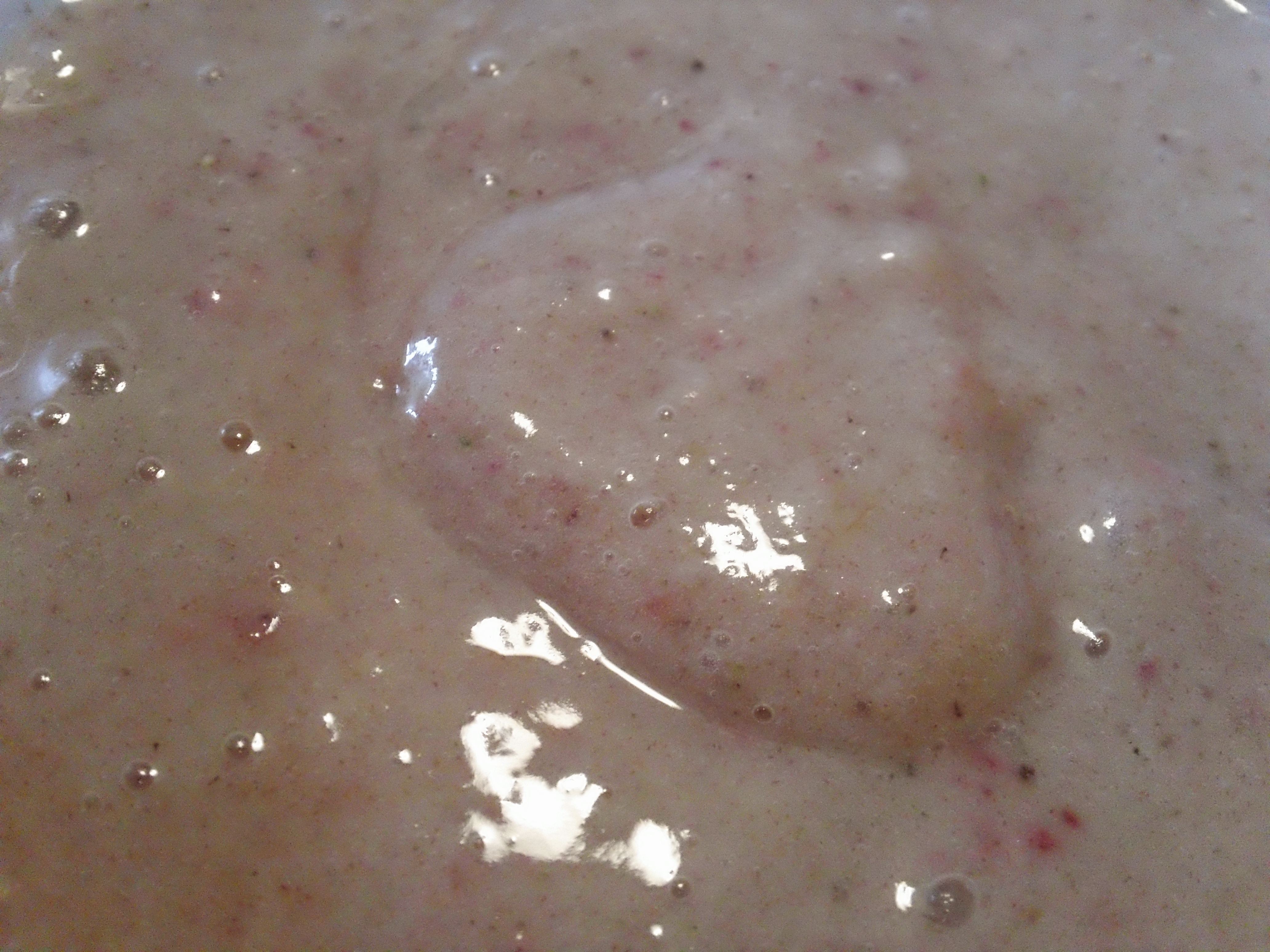
- This strawberry banana ice cream is a great lactose free choice. It has only two ingredients, is dairy free, and makes a healthy snack or dessert.
- Freeze both bananas and strawberries for about an hour (I like 1 banana with 1 cup of strawberries, but you can use the combination you prefer).
- Place frozen fruit in blender and blend until smooth (you might add a little honey to sweeten).
- Enjoy your dairy free ice cream!
- Next Recipe: Homemade Vanilla Coffee Creamer-Low Fat and Sugar Free Alternatives
- 1 lb thinly sliced beef ( I prefer milanesa, but you can also use sirloin or rib eye.)
- 5 Tbsp sugar
- 1/2 cup soy sauce (low sodium)
- 2 garlic cloves, chopped
- 1/4 tsp salt
- 2 Tbsp sesame oil (or substitute with olive oil, if not available)
- 2 Tbsp roasted sesame seeds
- 1 cup green onions, chopped
- 2 cups carrots, thinly sliced
- Mix all ingredients, except carrots in a large sealable bowl. Marinate in refrigerator for at least 2 hours.
- Add carrots to marinated beef mixture.
- Over medium high heat, cook until meat is done. (You can use a skillet or stove top grill.)
- Serve Bulgogi with rice, or other favorite side.
- 1 tsp active dry yeast
- 2 tsp sugar (divided in half)
- 3/4 cup warm water
- 2 cups all-purpose flour, plus a small bowl half full for rolling
- 1 tsp fine sea salt
- 1/8 tsp baking powder
- 3 Tbsp plain yogurt
- 2 Tbsp olive oil
- Small bowl of melted butter
- Coarse sea salt
- In a large glass of warm water, dissolve the dry yeast and 1 tsp sugar. Let the glass sit until it is frothy, about 10 minutes.
- Sift the flour, salt, remaining 1 tsp of sugar, and baking powder into a large, deep bowl.
- Add the yogurt and the olive oil into the glass of frothy yeast and stir.
- Pour the liquid mixture into the dry ingredients and gently mix the ingredients together with a fork.
- Right before he dough comes together begin using your hands to mix. The dough will be very soft and sticky. As soon as it comes away from the edges, stop kneading.
- Cover the dough with a warm, damp cloth towel and let it sit in a warm place for 2 to 4 hours. I like sitting it next to the stove will I cook tea on low. (Keep reheating the towel as needed.)
- When the dough has risen and it is time to shape the loaves, make sure you have bowl of extra flour.
- Don’t be worried, the dough will be very soft and sticky. Separate the dough into 6 equal portions and lightly roll each one in the bowl of extra flour to keep them from sticking to each other.
- Shape each naan into a tear drop shape. You want them to be around 1/4 inch thick, since they will puff up during frying.
- Warm a large skillet over medium high heat with your favorite cooking oil.
- Have your bowl of melted butter and coarse sea salt ready.
- Gently lay a naan in the skillet and cook each side for about 1 minute.
- Remove the naan from the skillet, brush each side with butter and sprinkle one side with a little coarse sea salt.
- Place the naan in a paper towel or cloth towel-lined dish to soak up the excess oil.
- Repeat with the rest of the naans and serve.
- 1/4 cup soy sauce
- 1/4 cup dry white wine
- 1/4 cup mirin (sweet Japanese rice wine ), substitute with dry sherry and sugar mixture
- 2 tablespoons sugar
- 3 green onions including white and green parts, chopped
- 3 tablespoons fresh ginger, minced
- Zest and juice of 1 small lemon
- 4 (5 ounce) salmon fillets with skin, substitute with halibut or sea bass
- 4 ounces of soba noodles (buckwheat noodles) COOKED per package directions and cooled, substitute with whole-wheat pasta (linguine or spaghetti)
- 1/2 cup julienned carrots
- 1 can bamboo shoots, well-drained (or asparagus)
- 3 green onions, sliced
- Fresh spinach
- 1/4 cup chicken stock
- 1/4 cup soy sauce
- 1/3 cup rice vinegar
- 1 tablespoon honey or sugar
- 2 teaspoons sesame oil
- Remove the skin of the salmon and marinate and grill the skin separately to use as a garnish. (Optional)
- Remove any salmon bones, if necessary.
- Season salmon with salt and set aside.
- In a small sauce pan, combine all marinade ingredients, except lemon slices, and bring to a boil. Remove marinade from heat and allow to cool.
- Add lemon and pour cooled marinade over salmon and refrigerate for 2 to 4 hours in a large sealable bowl. Flip fish periodically.
- Remove salmon from marinade and pat dry.
- Grill approximately 4 to 5 minutes on each side until done.
- Serve warm or at room temperature on top of Soba Noodle Salad.
- Combine dressing ingredients in a small, sealable container, shake well to mix, and set aside.
- Place spinach leaves into bottom of a large bowl and arrange cooked soba noodles/whole wheat pasta on top and garnish with carrots, bamboo shoots/asparagus, and green onions.
- Place salmon on top and pour dressing over all.
Cheese: Nutritious or Bad For Us?
June 20th, 2012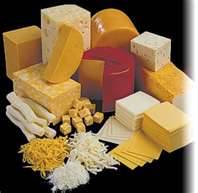 Cheese is one of the most popular foods, eaten by itself or as added flavor to meals. I know my fridge has string cheese for snacks, slices of cheese for sandwiches, and shredded cheese and block cheese for cooking. However, despite the excellent taste I wonder what health benefits or concerns cheese has on my family and me. Will the nutritional benefits of cheese out weigh the effects it has on our waist line and arteries?
It is common knowledge that dairy products such as cheese are high in calcium content. Calcium is beneficial to both bone and dental health, and can help prevent or slow effects of osteoporosis, in combination with protein and vitamins provided by cheese. Two of the vitamins cheese supplies are vitamin A and vitamin B12. Vitamin A helps with cell growth, vision, and the immune system. Vitamin B12 specifically is beneficial to children, pregnant and lactating women, and the elderly. Calcium and vitamin B12 affect the absorption of each other, and it is beneficial to consume adequate amounts daily. In 2005 a study in the Journal of Bone and Mineral Research showed participants with low plasma levels of B12 had significantly lower levels of bone density compared with participants with higher levels of B12. When calcium levels are low the body secrets parathyroid hormone, which stimulates the body to absorb calcium through digestion or, if not available, takes calcium from bone. It is a safer choice to provide calcium and B12 rich foods such as cheese, to avoid weakening bone density.
Unlike low-fat cheese, many foods can hinder the absorption of calcium. Soft drinks, salt, sugar,excessive amounts of fat, and coffee are a few foods lowering the body’s ability to absorb calcium. Cheese, however, not only is high in calcium but is low in lactose content. Lactose is a type of sugar that many people are allergic to. The older the cheese is the lower its lactose content will be. For example, I have a mild lactose intolerance. I can’t drink regular milk or eat ice cream without stomach complications, but most aged cheeses cause me no trouble. Since cheese is low in sugar calcium has a better chance of absorbing. that chance is increased when choosing low-fat cheeses.
Despite the many nutritional benefits of cheese there are concerns with cholesterol content, fat, and saturated fat specifically. Dairy products are the number two source, following meat, for the over consumption of fat and cholesterol in America. Regular, full-fat cheese has around 228 calories, 19 grams of fat, 50 to 60 milligrams of cholesterol, an 12 grams of saturated fat. On the other hand, the same 2 ounces of reduced-fat cheese provides 40% to 50% of daily calcium and 15 grams of protein, while only having 160 to 180 calories, 10 to 12 grams of fat, 30 to 40 milligrams of cholesterol, and 8 grams of saturated fat.
There are many ways to continue enjoying cheese while maintaining a healthy diet:
If you are unsure of what types of cheeses to incorporate into your healthier life, after cleaning out the clutter of the higher-fat cheeses from your fridge, try buying a few types of block cheese and having a night of fruit and cheese. Your family can decide which flavors they like best and discuss what type of foods they would go well with. The block cheese can be easily sliced or shredded. One of my favorites is applewood smoked Gouda, which my husband and I eat with fruit and mix it in different dishes, such as grilled vegetables. What are your favorite types of cheeses and healthier ways of using them?
References:
Brannagan, M. (2011). Is B12 Needed for Calcium Absorption?. Retrieved June 19, 2012, from http://www.livestrong.com/article/307495-is-b12-needed-for-calcium-absorption/
Cheese lovers. (2006). RetrievedJune 18, 2012, from http://www.webmd.com/diet/video/cheese-lovers
Don’t say cheese. (2001). RetrievedJune 18, 2012, from http://www.cspinet.org/new/cheese.html
Magee, E. (2005). Cheese if you please. RetrievedJune 18, 2012, from http://www.webmd.com/food-recipes/features/cheese-if-you-please?
Mukherjee, A. (2012). Health benefits of cheese. RetrievedJune 19, 2012, from http://www.organicfacts.net/health-benefits/animal-product/health-benefits-of-cheese.html
Tylee, P. & Tylee, J. (2011). Calcium. RetrievedJune 19, 2012, from http://www.healthy-vitamin-choice.com/calcium.html
Next Health Tip: A Menstrual Cup is a Girl’s Best Friend
Bottle Flower Vases: Using Food Coloring to Decorate
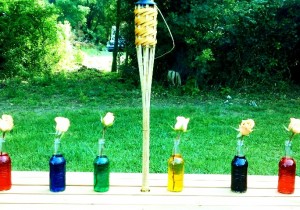
June 18th, 2012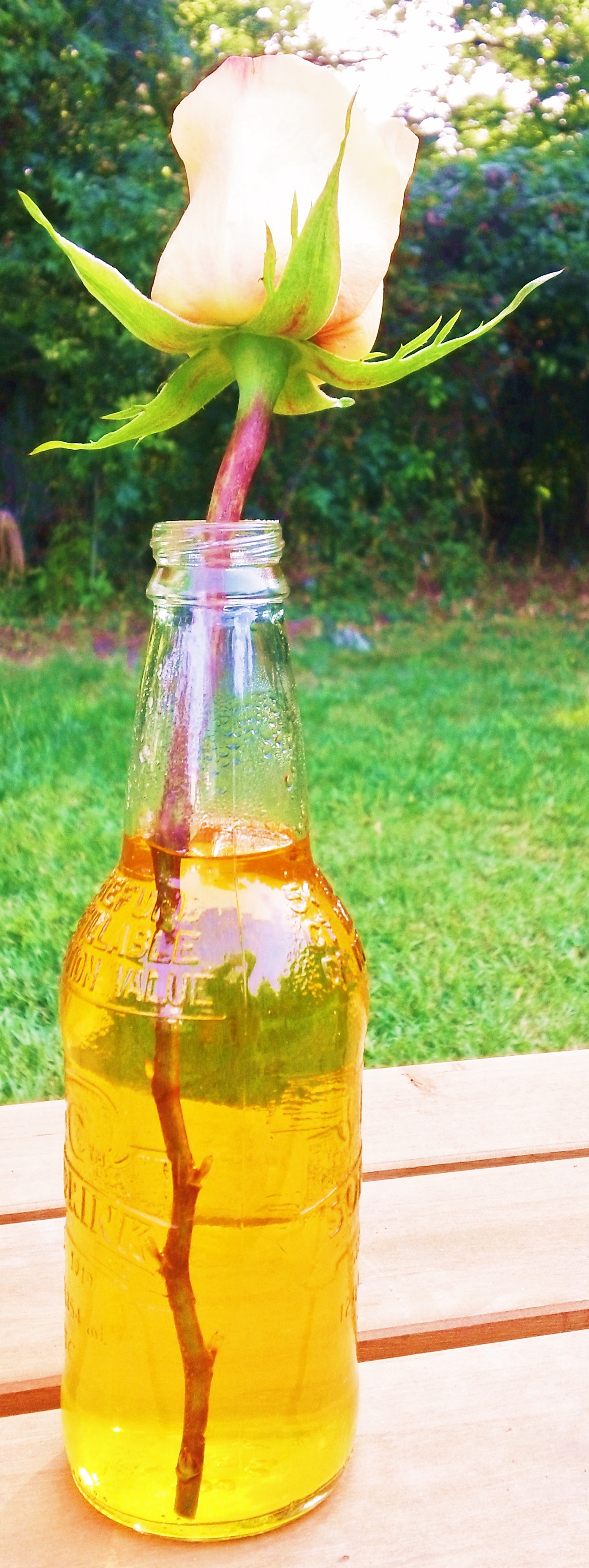 While setting up for a romantic picnic with my husband, I wanted an easy and budget-friendly, homemade flower arrangement. However, I didn’t have any vases at the time. My easy solution was recycling some empty cream soda bottles (since they are clear glass) by washing them out, filling them with food coloring (about 3 or 4 drops per bottle) and water, and adding a single rose to each bottle. You can use any long-stemmed flower with these bottles (just cut the stem at an angle to the desired length.) Another idea is having kids help. This could be turned into a fun opportunity for them to learn about colors and which primary colors mix to make secondary colors. I only had red, blue, and yellow food coloring available, so I mixed the other 3 colors needed (red + blue = purple, blue + yellow = green, and red + yellow = orange). Having these six colored bottle vases makes a beautiful and simple table arrangement.
 Next Homemade Savings: DIY Christmas Gifts Under $15
Homemade Ice Cream In A Glass: A Kid-Friendly Recipe
June 11th, 2012
Homemade Ice Cream
Since June is Dairy Month let’s look at a kid-friendly ice cream recipe. This recipe allows you to choose what flavor you want and make it right in the glass you will be eating out of. Also, it only makes one scoop, so if you want more just double the ingredients and get a bigger glass and bowl. What are your favorite flavors?
Next Recipe: Grilled Lemon Parmesan Asparagus
Homemade Vanilla Coffee Creamer: Lowfat and Sugar Free Alternatives
June 1st, 2012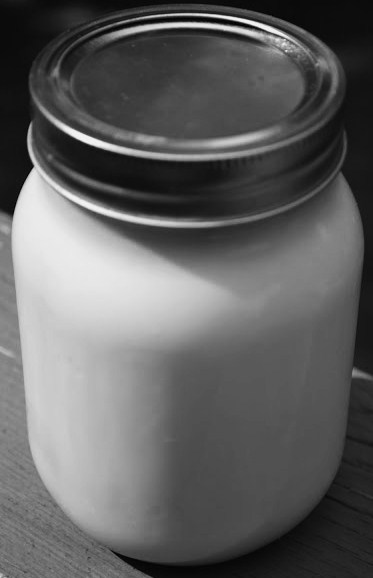
June is Dairy Month, so throughout this month we will have dairy inspired recipes and articles. Let’s start with our morning pick me up, Vanilla Coffee Creamer that is made and stored in a mason jar.
Next Recipe: Homemade Ice Cream in a Glass – A Kid Friendly Recipe
Next Homemade Savings: Homemade sports Drink on a Budget
Strawberry Banana Ice Cream: Dairy Free
May 31st, 2012
Bulgogi: Grilled Marinated Beef
May 28th, 2012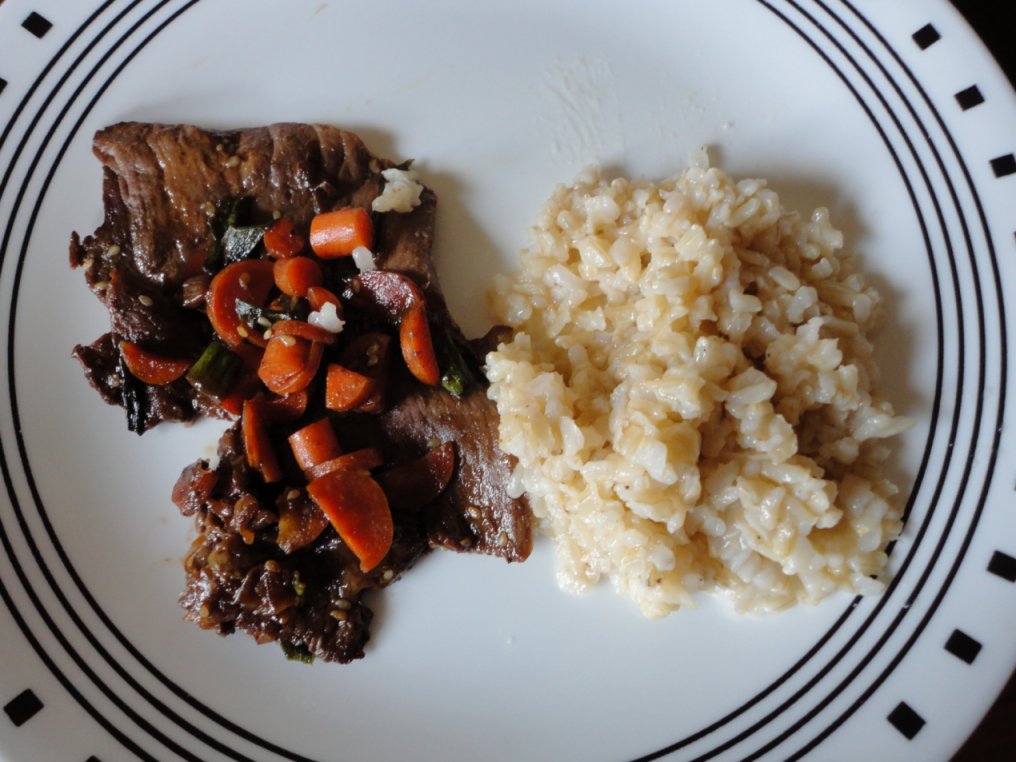 Bulgogi is a popular Korean dish made from thinly sliced beef that has been marinated for hours.
Ingredients:
Directions:
Next Recipe: Strawberry Banana Ice Cream – Dairy Free
Preventing Skin Cancer: Sunscreen Rules and Tips
May 22nd, 2012
Sunscreen
In honor of Skin Cancer Awareness Month, my last post was about skin cancer signs to look for. Now let’s focus on sunscreen and ways to prevent sun damage.
There are two different types of sun rays that affect our skin: ultraviolet A (UVA) and ultraviolet B (UVB). UVA is 30 to 50 times more prevalent than UVB, and UVA penetrates deeper layers of skin. UVA rays cause tanning and affect skin aging. More importantly, UVA rays damage skin DNA and weaken the immune system, increasing the risk of skin cancer, specifically melanoma. Unlike UVA, UVB rays penetrate only the outer layer of skin, cause sunburns, and harm skin cell DNA, increasing the risk of basal cell and squamous cell skin cancer.
Preventative measures need to be made to block both UVA and UVB rays. The FDA has new rules for sunblock that will be in effect summer of 2012. Testing and proper labeling will be required for all sunscreens. Before, not all sunscreens labeled “broad spectrum” protected against UVA rays. Now, any sunscreens with the label “broad spectrum” will cover both UVA and UVB rays, protecting against sun-related premature aging. In addition, any labels of “SPF 15” or greater claim to protect against skin cancer. Another rule the FDA is enforcing is how long a sunscreen is water-resistant after swimming or sweating before needing to be reapplied, but most sunscreens are unlikely to last more than 2 hours.
You must read the ingredients when choosing sunscreen. Different types of ingredients protect for various things; and some are chemical sun filters, while others are natural sunblockers. Chemical sun filters, such as oxybenzone, octninoxate, avobenzone, mexonyl SX, mexoryl XL, and tinosorb, absorb into skin and absorb UV ray energy, converting it into something less harmful to the body. On the other hand, natural sunblock ingredients, such as titanium dioxide and zinc dioxide, sit on the top layer of skin and deflect rays away.
Titanium dioxide blocks UVB rays and short-wave UVA rays. As the name shows, this natural sunblock is made from titanium. It is believed titanium dioxide stays on the stratum corneum, top layer of skin, but there is a possibility it is absorbed deeper. Also, with sun exposure there is a possibility harmful free radicals are created. These negative side effects are inconclusive and additional research is needed.
Unlike titanium dioxide, zinc oxide is known for multiple benefits. It is the only known mineral compound that blocks UVB rays and both long and short UVA rays. Zinc oxide is also known to help heal wounds, treat acne, reduce inflammation, and work as an astringent (shrinking skin cells and tightening body tissue). When zinc oxide is used as an active ingredient for sunscreen, it should be 15% to 20% of all the ingredients.
Zinc oxide and titanium dioxide are used in combination for many sunscreens, to create a broader cover. Because they aren’t absorbed into the skin, zinc oxide and titanium dioxide have a white chalky appearance, but some manufacturers have formulas that are less noticeable and work well with makeup, by making the particles smaller but not small enough to clog pores. To help fight off potential free radicals from the titanium dioxide, I suggest looking for sunblocks that use natural fortifiers to enhance the effectiveness of the minerals and fight free radical damage, such as green tea, Vitamin C, and Vitamin E.
After choosing the sunscreen that is right for you, whether it is all natural, uses chemical sunfilters, or is water and sweat proof, make sure you apply it correctly and everyday, even during the colder months. Read directions in regard to how much sunscreen to use and how often to reapply. The FDA isn’t recommending spray sunscreen for this reason. Many customers aren’t applying the useful amount needed. Make sure you apply sunblock 15 minutes before going out and that it evenly covers all exposed skin, especially lips, nose, ears, neck, hands, and feet. If you have thin hair, make sure you apply it to the top of your head. Also, after the age of 6 months, sunscreen should be applied before every outing on children. In addition, try avoiding outdoor activities from 10am to 2pm, when sun ray levels are at their highest.
Taking preventative measures against skin cancer is very important. Sunscreen should be used on a regular basis and long clothes, hats, and sunglasses should be worn for added protection. It is ok to have fun in the sun, just make sure you are safe about it. Wearing sunscreen and reapplying it during outdoor activities, should become a habit for your health, just like brushing your teeth.
References:
“FDA Announces New Sunscreen Rules”
http://www.webmd.com/healthy-beauty/news/20110614/new-sunscreen-rules-from-fda
“Natural Sunscreens: Zinc Oxide and Titanium Dioxide?”
http://blog.pharmacymix.com/natural-sunscreens-zinc-oxide-or-titanium-dioxide
“Physical UVA + UVB Sunscreen/Sunblock: Titanium Dioxide”
http://www.smartskincare.com/skinprotection/sunbocks/sunblock_titanium-dioxide.html
“Sun Safety: Save Your Skin!”
“Sunscreen”
“Zinc Oxide: How does it Benefit Your Skin?”
http://www.selfgrowth.com/articles/zinc_oxide_how_does_it_benefit_your_skin.html
Next Health Tip: Benefits of Coconut Oil for the Skin
Skin Cancer Awareness Month: The Signs to Look For
May 21st, 2012May is Skin Cancer Awareness Month, do you know the signs to look for a possible skin cancer related problem? The only one I can easily remember is to look for changes in moles, due to a family history of precancerous growths starting this way.
There are a variety of types of skin cancer; melanoma, basal cell carcinoma, and squamous cell carcinoma or a few of the most common. These cancers often start as changes in a person’s skin, new growths, or precancerous lesions. Any precancerous lesion or growth doesn’t always become cancerous, but there is a chance of it advancing to that stage.
Two types of precancerous conditions I wasn’t familiar with are Actinic Keratosis (Solar Keratosis) and Actinic Cheilitis (Farmer’s lip). Solar Keratosis is small scaly dry patches commonly found on the head, neck, or hands. While Farmer’s lip is a scaly patch or persistent roughness common on the lower lip. If both are untreated and advance to cancerous stages, squamous cell carcinoma is likely to occur.
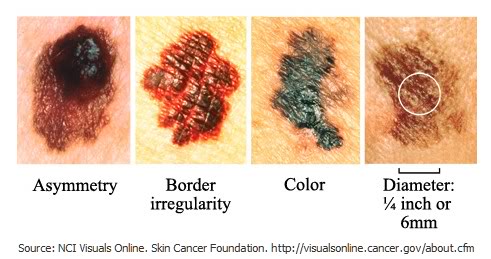 As I mentioned earlier, changes in moles can be a sign of possible skin cancer. Normally moles are flat or raised with a smooth surface. Atypical moles that need to be looked at by a doctor or dermatologist are irregularly shaped, have many colors, have a ragged, blurry, or irregular border, may itch or bleed, and are larger in diameter than a pencil eraser. It is not common to acquire a mole after early adulthood; and an individual’s moles and freckles should mostly look similar to one another.
When looking for skin cancer prevention, you should check your entire body once a month in all areas, including hidden areas such as scalp, neck, groin, bottoms of feet, and between fingers and toes. Have a partner help you if needed. Men should pay close attention to their backs and women to their lower legs, since these are common areas for precancerous formations.
People who are in higher need of skin cancer prevention are people with fair skin, blonde or red hair, and blue or green eyes. Also, if you have many large and irregularly shaped moles it is beneficial to consult a dermatologist. Other increased risks include people with a family history of skin cancer, a history of excessive sun exposure or blistering sunburns (even during childhood), living at high altitudes or with year-round sunshine, and people who are undergoing or have undergone radiation treatment. Even if you don’t match these signs, being aware of the condition of your skin and taking steps in skin cancer prevention is important for everyone. Skin cancer affects all races and ages.
References:
“Precancerous Skin Lesions and Skin Cancer Slideshow”
http://www.webmd.com/melanoma-skin-cancer/ss/slideshow-skin-lesions-and-cancer
Next Health Tip: Preventing Skin Cancer – Sunscreen Rules and Tips
Naan: Indian Flat Bread
May 20th, 2012 Naan is an Indian flat bread. This is a wonderful recipe to make for guests or your family, since it allows you to have an individual portion size with each loaf.
Ingredients:
Directions:
Hint: Even though this homemade Naan is simple to make, it isn’t the easiest to make pretty. Mine always turn out looking lumpy and slightly misshapen, but the taste of Indian flat bread is amazing, especially with a little sea salt on top!
Japanese Grilled Salmon on Soba Noodle Salad
May 13th, 2012A tasty and healthy salmon recipe, that uses the tastes of Japan and makes 4 servings. This Japanese Grilled Salmon on Soba Noodle Salad is adapted from John Ash’s “Japanese Style Grilled Salmon” on www.foodnetwork.com and has the substitutes listed for ease of shopping.
Marinade:
Soba Salad:
Dressing:
Grilled Salmon Directions:
Dressing and Soba Noodle Salad Directions:
I hope you enjoy your Japanese grilled salmon on soba noodles salad. What type of substitutes would you recommend?



